


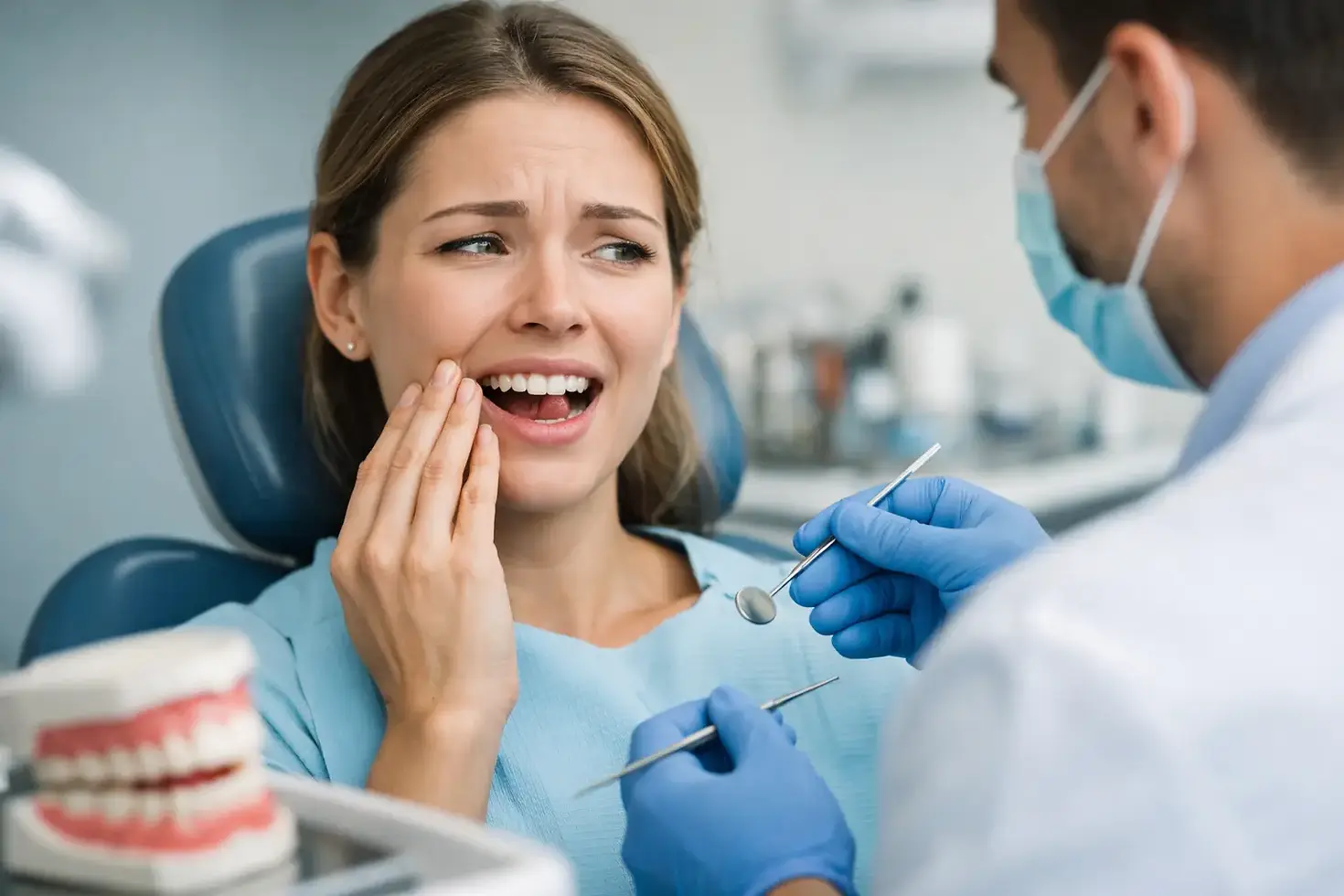
Broken Tooth Repair Same Day: What to Expect

A cracked molar during dinner, a chipped front tooth before work, or a tooth that breaks around an old filling can feel alarming fast. When you need broken tooth repair same day, prompt attention can often relieve discomfort, protect the remaining tooth structure, and help prevent a small fracture from becoming a more involved problem.
Not every broken tooth needs the same treatment, and not every repair can be permanently completed in one visit. What matters is being examined quickly by an experienced dental team that can identify the extent of the damage, make you comfortable, and create a clear plan for protecting your smile.
What to Do When a Tooth Breaks
First, try to stay calm. Many broken teeth can be treated successfully, especially when patients avoid chewing on the area and seek care promptly. Rinse your mouth gently with warm water to clear away debris. If there is bleeding, apply light pressure with clean gauze. A cold compress held against the outside of the cheek may help reduce swelling.
If you can find the broken piece, place it in a clean container with milk or saliva and bring it with you. In some situations, a dentist may be able to bond a fragment back into place. Do not try to glue the tooth yourself, smooth it with a file, or place aspirin directly on the gums. Those steps can damage soft tissue or make professional repair more difficult.
Until you are seen, avoid biting on the affected side. Choose soft foods, avoid very hot or cold drinks if the tooth is sensitive, and keep the area as clean as possible. Over-the-counter pain medication may help when taken as directed, but severe pain, facial swelling, fever, or difficulty swallowing warrants urgent attention.
Can a Broken Tooth Be Repaired the Same Day?
Often, yes. Same-day care may include a permanent filling or bonding, reattachment of a tooth fragment, smoothing a sharp edge, treatment to protect the nerve, or placement of a temporary crown. The right solution depends on where the tooth broke, how deeply the fracture extends, whether decay or an old restoration weakened the tooth, and whether the inner nerve tissue has been exposed.
A small chip in visible enamel may be repaired with cosmetic bonding in a single visit. The dentist carefully matches the resin to your natural tooth color, shapes it, and polishes it so it blends into your smile. This can be an excellent option for minor chips, worn edges, and certain front-tooth fractures.
A larger break may require a crown. Crowns surround and strengthen a tooth that has lost significant structure, particularly a back tooth that handles heavy chewing forces. Depending on the clinical situation and the materials used, a dentist may place a protective temporary crown the same day while a custom final crown is made. This is still valuable emergency treatment because it covers vulnerable tooth structure and helps you return to normal function more safely.
When the break reaches the pulp, where the tooth's nerve and blood vessels are located, a root canal may be recommended before the tooth is restored with a crown. While that can sound intimidating, modern root canal treatment is designed to remove infection, relieve pain, and preserve the natural tooth whenever possible. In other cases, a fracture may extend too far below the gumline to restore predictably. Extraction may then be the healthiest choice, followed by a conversation about replacement options such as a bridge, partial denture, or dental implant.
Why an Exam Matters Before Broken Tooth Repair Same Day
A tooth can look like a simple chip while hiding a deeper crack. Conversely, a dramatic-looking break may involve only the outer enamel and be easier to repair than expected. An examination and digital imaging help the dentist assess the root, surrounding bone, nerve health, existing fillings or crowns, and the direction of the fracture.
This evaluation protects you from a quick fix that does not last. For example, placing bonding over a severely weakened molar may make it look whole, but it may not withstand normal chewing. A crown could offer better long-term protection. On the other hand, preparing a tooth for a crown when a conservative bonded repair would be durable may remove more healthy structure than necessary. Good emergency dentistry balances immediate comfort with a treatment plan built to last.
Your dentist will also check your bite. Even a minor chip can leave a sharp edge that irritates the tongue or changes how your teeth come together. Restoring the tooth's shape and bite helps reduce the chance of additional chipping, jaw discomfort, or uneven wear.
Common Same-Day Treatment Options
The best repair is personal to the condition of your tooth. During an emergency visit, treatment may include one or more of the following:
Smoothing and polishing for a very small chip or rough edge that is catching on your tongue or cheek.
Tooth-colored bonding or a filling to rebuild lost enamel and restore appearance and function.
A protective temporary crown when a larger fracture needs coverage before a final custom restoration.
Root canal treatment or a soothing protective dressing when the tooth's nerve is inflamed or exposed.
Extraction when a tooth is not restorable and keeping it could threaten surrounding bone or cause repeated infection.
There is no single “best” treatment for every break. A front tooth may call for a highly esthetic repair that preserves translucency and contour. A molar may need a stronger restoration designed to handle years of biting pressure. Your dentist should explain what can be completed that day, what may need a follow-up visit, and why.
When a Broken Tooth Is an Emergency
Any broken tooth deserves a call to your dental office, but some signs make same-day evaluation especially important. Do not wait if you have persistent or worsening pain, swelling of the gums or face, a loose tooth, a sharp edge cutting your mouth, visible red or pink tissue inside the tooth, or a break caused by a fall, sports injury, or accident.
Pain that comes and goes can also be significant. A cracked tooth may hurt only when you release your bite or drink something cold. That does not mean the damage is minor. Cracks can deepen under repeated chewing, and early treatment may improve the chance of saving the tooth.
For Shelby Township and Macomb County families, same-day emergency availability can mean less time worrying at home and more time getting clear answers. Brookstone Dental provides compassionate emergency evaluations with modern diagnostics, gentle hands, and treatment recommendations centered on both your immediate comfort and your long-term oral health.
How to Protect the Repair After Your Visit
Once the tooth has been treated, follow the instructions specific to your restoration. If you have a temporary crown or temporary filling, avoid sticky foods, hard candy, ice, popcorn kernels, and chewing gum on that side. A temporary restoration is designed to protect the tooth while you wait for the next step, but it is not intended to handle every chewing force.
If you receive bonding, avoid using the repaired tooth to open packaging or bite fingernails. If you clench or grind your teeth, ask whether a night guard could help protect both the repair and your natural enamel. Regular exams and cleanings also allow your dentist to monitor old fillings, crowns, and areas of wear before they fail unexpectedly.
Financial concerns should not keep you from calling when a tooth breaks. Many practices accept most insurance plans and can discuss practical payment options, including in-house membership plans or short-term financing, before treatment begins. The exact out-of-pocket cost depends on the diagnosis, the tooth involved, and the type of restoration needed, but a timely exam gives you the information needed to make a confident decision.
A broken tooth is rarely convenient, but it does not have to become a lasting disruption. Call as soon as possible, protect the area until your appointment, and let an experienced dentist determine the most conservative, durable way to get your smile comfortable again.


Comments