


Whitening Tips for Sensitive Teeth: A Gentle Approach to a Brighter Smile
- Mark Ousachi
- 4 days ago
- 3 min read

Whitening teeth can feel like a challenge when sensitivity is part of the equation. We want that bright, confident smile without discomfort or irritation. Fortunately, there are many ways to whiten teeth gently and effectively. In this post, we’ll explore practical tips and expert advice to help you achieve a whiter smile while protecting sensitive teeth.
Understanding Whitening for Sensitive Teeth
Sensitive teeth react to temperature changes, certain foods, or even whitening products. This sensitivity often comes from exposed dentin or worn enamel. When we use harsh whitening agents, it can worsen the discomfort. That’s why it’s important to choose methods designed specifically for sensitive teeth.
At Brookstone Dental, we recommend starting with whitening products that contain lower concentrations of peroxide or those formulated with desensitizing ingredients like potassium nitrate or fluoride. These help reduce sensitivity while still lightening stains.
Additionally, avoiding abrasive toothpaste and using a soft-bristled toothbrush can protect enamel and reduce irritation during whitening treatments. Remember, patience is key. Whitening sensitive teeth is a gradual process, and rushing it can cause more harm than good.

Safe Whitening Practices for Sensitive Teeth
When whitening sensitive teeth, safety and comfort come first. Here are some practical steps we can take:
Consult a dental professional before starting any whitening treatment. They can assess your teeth and recommend the safest options.
Use whitening toothpaste designed for sensitive teeth. These contain mild abrasives and ingredients that help reduce sensitivity.
Try whitening strips or gels with lower peroxide levels. These products are less likely to cause discomfort.
Limit whitening sessions to recommended times. Overuse can increase sensitivity.
Incorporate fluoride treatments to strengthen enamel and reduce sensitivity.
Avoid acidic or sugary foods and drinks during whitening to prevent enamel erosion.
By following these steps, we protect our teeth while gradually achieving a brighter smile.
What is the 2 2 2 Rule for Teeth?
The 2 2 2 rule is a simple guideline to maintain healthy teeth and reduce sensitivity during whitening:
Brush for 2 minutes twice a day.
Use a toothbrush with soft bristles.
Wait 2 hours after whitening treatments before consuming acidic or staining foods and drinks.
This rule helps minimize enamel wear and gives your teeth time to recover after whitening. Sticking to it can make a big difference in how your teeth feel and look.
Natural Whitening Options for Sensitive Teeth
If you prefer a more natural approach, there are gentle methods that can help brighten your smile without harsh chemicals:
Baking soda and water paste: Baking soda is a mild abrasive that can remove surface stains. Use it sparingly and avoid daily use to protect enamel.
Oil pulling: Swishing coconut oil in your mouth for 10-15 minutes may reduce bacteria and plaque, contributing to a cleaner, brighter smile.
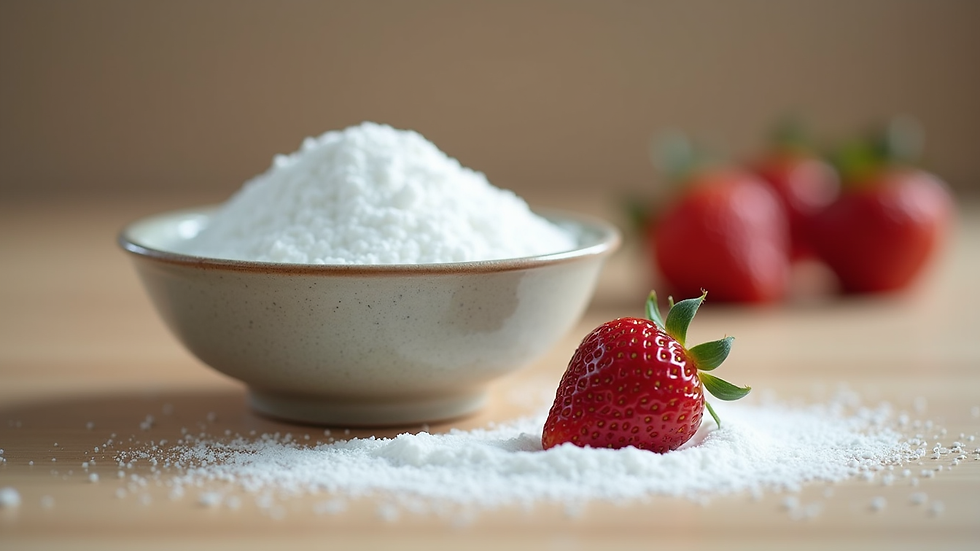
Strawberries and baking soda: The malic acid in strawberries can help whiten teeth. Mash a strawberry and mix with baking soda for a gentle whitening paste. Use occasionally.
Hydrogen peroxide rinse: Diluted hydrogen peroxide (1-2%) can be used as a mouth rinse to whiten teeth. Avoid swallowing and do not overuse.
While these natural methods are less likely to cause sensitivity, they should be used carefully and not as a replacement for professional advice.
Choosing the Best Way to Whiten Sensitive Teeth
Finding the best way to whiten sensitive teeth means balancing effectiveness with comfort. Professional whitening treatments at a dental office often include customized options that protect sensitive teeth. These treatments use lower peroxide concentrations and may include desensitizing agents.
At home, we can use specially formulated whitening kits designed for sensitive teeth. These kits usually have gentler formulas and come with clear instructions to avoid overuse.
Remember, consistency and care are more important than speed. Whitening sensitive teeth is a journey, not a race. By choosing the right products and following safe practices, we can enjoy a brighter smile without pain.
Maintaining Your Bright Smile and Reducing Sensitivity
After whitening, maintaining your smile and minimizing sensitivity is essential. Here are some tips:
Use a toothpaste for sensitive teeth daily.
Avoid extreme temperatures in food and drinks.
Limit consumption of staining substances like coffee, tea, and red wine.
Stay hydrated and rinse your mouth with water after meals.
Schedule regular dental checkups to monitor enamel health.
Consider fluoride treatments or sealants if recommended by your dentist.
By incorporating these habits, we keep our teeth healthy and our smiles shining longer.
Whitening sensitive teeth doesn’t have to be uncomfortable or complicated. With the right knowledge and gentle care, we can brighten our smiles safely and confidently. Let’s embrace these tips and enjoy the journey to a healthier, whiter smile together.


Comments